
Account Beneficiary Designations
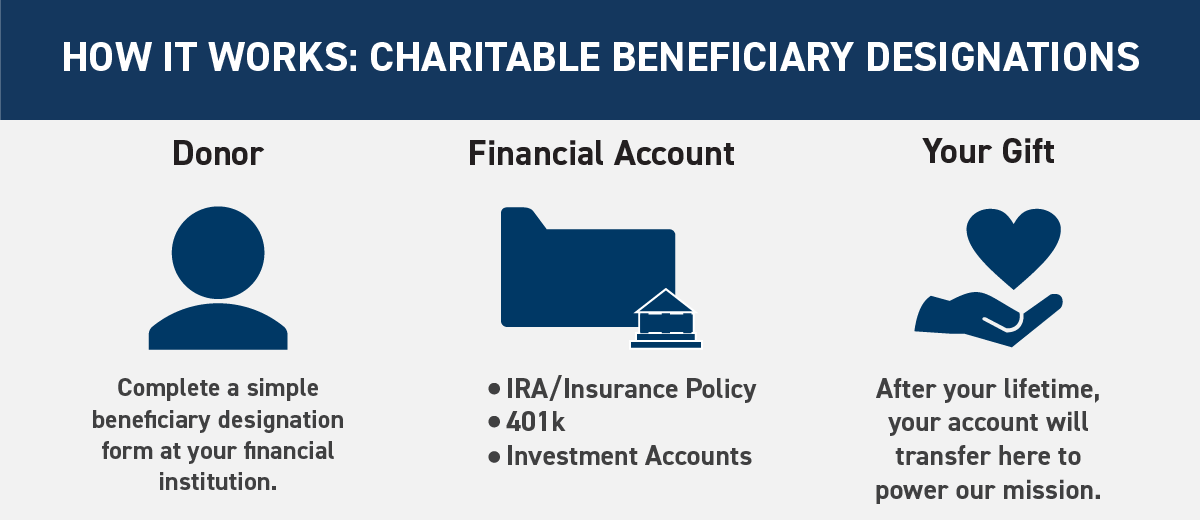
Giving a financial account after your lifetime is as simple as completing a beneficiary form. Since the beneficiary form dictates the beneficiary, the asset is not controlled by your will. So there is no expensive set-up or visit to your attorney.
Several types of financial accounts are passed according to your beneficiary designations instead of through your will.
- Bank accounts: To gift a checking or savings account, a Payable on Death (POD) designation transfers the bank account to the POD beneficiary. You may wish to consider designating First Presbyterian Church Stillwater as a POD beneficiary of a bank account not needed by heirs to help continue our important work.
- Investment or Brokerage Accounts: A Transfer on Death (TOD) designation directs your broker to move your designated investment securities to a new owner, First Presbyterian Church Stillwater if you wish.
- Qualified Retirement Plans: Like IRA, 401(k) and 403(b) accounts may be worth significantly more if you donate them than if you passed them to a beneficiary (other than a spouse). It can also have a real impact on our mission. Roth IRAs may also be designated but do not have as dramatic tax savings.
- Life insurance policies: If your existing insurance policy is no longer needed, you might simply change your primary beneficiary of the existing policy to be First Presbyterian Church Stillwater. If your loved ones still need the security of the policy, consider listing First Presbyterian Church Stillwater as a contingent beneficiary. Read more here.
Steps to Gift an IRA, 401(k), 403(b)
- Consult with your professional advisers to make sure this gift fits your charitable and estate plan.
- Request and complete a beneficiary designation form. When listing First Presbyterian Church Stillwater as beneficiary of a retirement account, please contact us to ensure your request is honored.
- Your generous gift will come directly to First Presbyterian Church Stillwater outside of your estate.
To learn more, please contact the church office.
It is important that you consult your attorney and/or professional advisors to consider the application of this language to your individual circumstances as part of an overall estate plan.